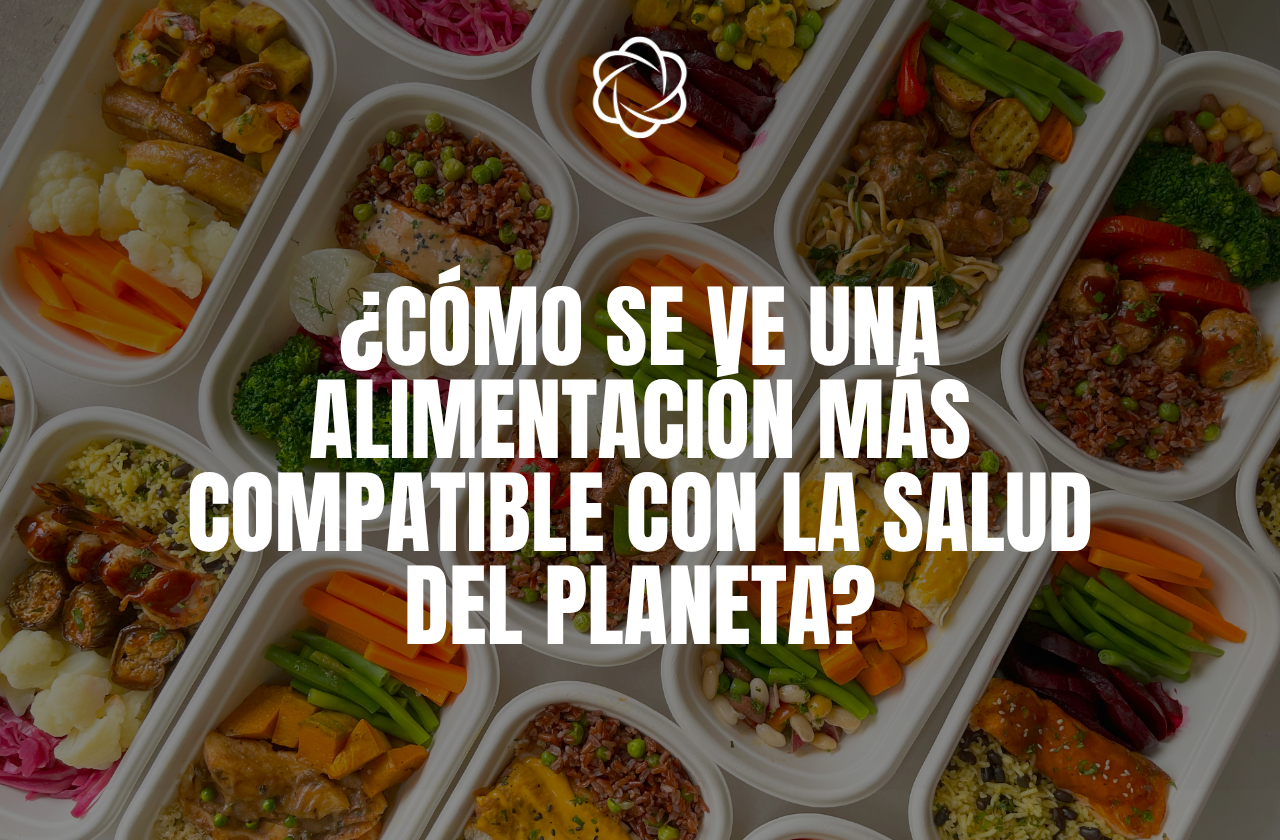
When we think about sustainable eating, we often associate it with health benefits: more fruits and vegetables, fewer ultra-processed foods, and a balanced diet. But there's a question that's becoming increasingly relevant for consumers, businesses, and decision-makers: does a healthy diet also help protect the planet?
This was one of the questions explored in the study The Chilean Diet: Is It Sustainable?, published in the scientific journal Nutrients by researchers from the University of Chile. The study looked at two key dimensions of diet at the same time: nutritional quality and environmental impact.
Beyond calories: two sides of the same choice
For years, conversations about food have tended to focus on two separate topics. On one hand, nutrition and how food affects our health. On the other, the environmental impact of producing and consuming that food.
The study argues that both dimensions should be analyzed together. After all, a truly sustainable diet should not only provide the nutrients people need, but also minimize pressure on natural resources and reduce greenhouse gas emissions.
The researchers assessed different dietary patterns in Chile, comparing nutritional indicators with environmental variables linked to food production.
Not all foods tell the same story
One of the study's key findings is that foods can differ significantly in both their nutritional value and their environmental impact.
This means that two products with similar nutritional profiles can have very different effects on the environment. Likewise, some foods with a high environmental footprint can play an important role in certain dietary patterns.
That's why the authors stress the importance of avoiding oversimplified analyses and promoting comprehensive assessments that provide a clearer picture of the benefits and challenges of each food group.
Food and sustainability: an inseparable relationship
The study concludes that food choices have effects that go beyond the individual level.
What we eat directly affects our health, but it also has an impact on:
- Demand for natural resources.
- Greenhouse gas emissions.
- Land and water use.
- The resilience of food systems.
That's why moving toward more sustainable food systems means considering both human health and the environmental impact of the food we produce and consume.
What did the study conclude?
The study's findings show that diet can't be evaluated from a nutritional perspective alone. The current Chilean diet poses challenges for both human health and the environment, largely due to the high consumption of ultra-processed foods and red meat, which are linked to higher greenhouse gas emissions.
The researchers highlight the need to move toward food systems that integrate nutrition and environmental sustainability into decision-making, public policy, and food production and consumption strategies. In this context, understanding the environmental impact of what we eat becomes just as important as knowing its nutritional value.
The study's main takeaway is that human health and planetary health are deeply connected. That's why building more sustainable food systems is not only an opportunity to reduce environmental impacts, but also to improve quality of life for present and future generations.
What can we learn from this study?
Rather than labeling foods as "good" or "bad," the study encourages a broader perspective on what we eat.
Understanding food-related emissions alongside nutritional profiles helps us make more informed decisions and move toward food systems that benefit both people and the planet.
These findings reinforce something we've seen at ClearPrint for years: food has an impact that goes far beyond our individual health. Measuring, understanding, and making that impact visible is a key step toward building more sustainable food supply chains.
The role of measurement in the food transition
For food companies, knowing the carbon footprint of their products has become a key tool for identifying opportunities for improvement, meeting new market demands, and transparently communicating their environmental performance.
At ClearPrint, we make this impact visible by measuring the carbon footprint of food products and conducting life cycle assessments, using internationally recognized methodologies and data adapted to the local context.
Because to build more sustainable food systems, we first need to understand where impacts occur and how we can reduce them.
Discover our news story: «Un desayuno cotidiano, dos impactos muy distintos» and learn more about our involvement across the innovation ecosystem.
Follow us on our Instagram so you don't miss any updates.
Fuente: Gormaz, T., Cortés, S., Tiboni-Oschilewski, O., & Weisstaub, G. (2022). The Chilean Diet: Is It Sustainable? Nutrients, 14(15), 3103. Disponible apretando aquí