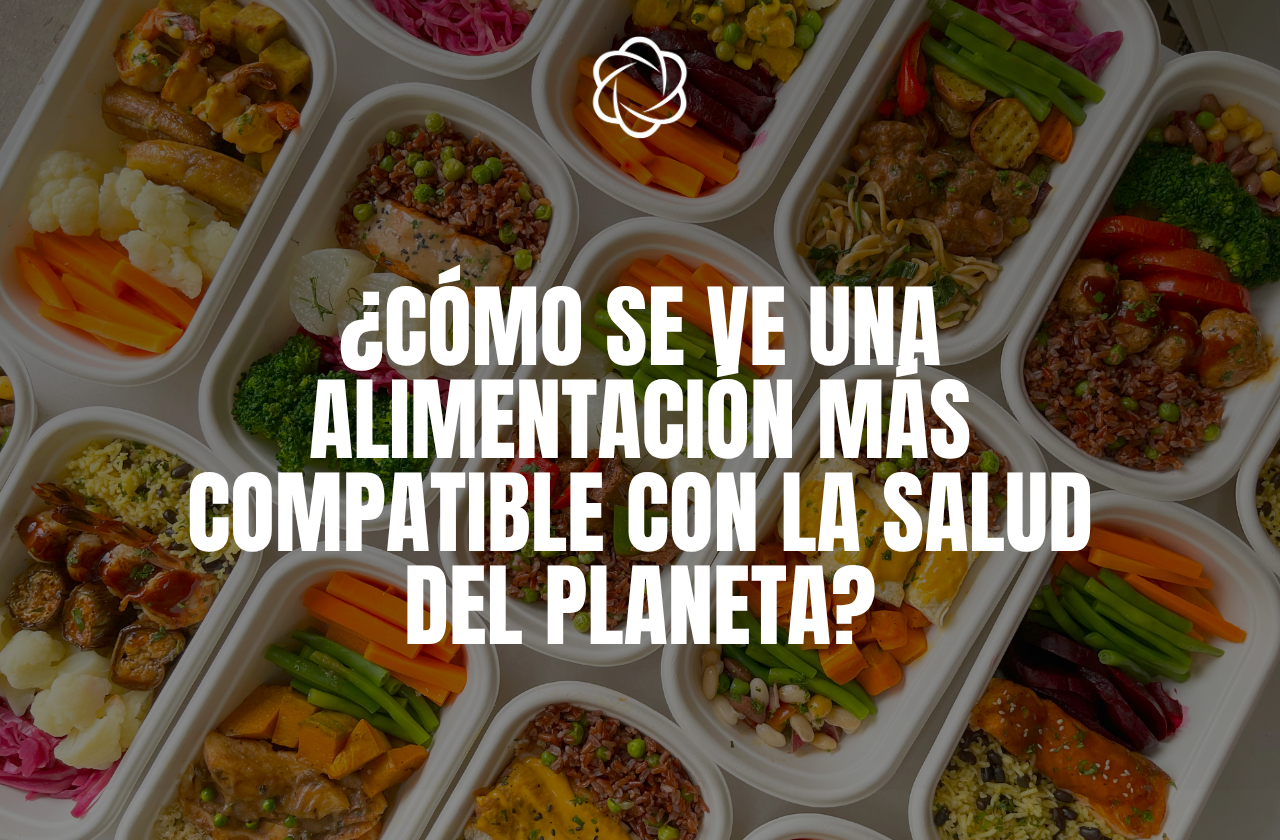
Breakfast is one of the most routine meals of the day. Yet foods that look similar in size or quantity can have significantly different carbon footprints.
In this comparison, we look at two common options:
- Bread (60 g) + half an avocado (80 g): 252 g CO₂e
- Bread (60 g) + cheese (33 g): 584 g CO₂e
The results show that the cheese breakfast generates more than twice the emissions of the avocado option.
What Is the Carbon Footprint?
A carbon footprint measures the amount of greenhouse gases emitted throughout a product's life cycle. For food, this includes stages such as production, processing, transportation, and distribution.
It's expressed in CO₂ equivalent (CO₂e), a unit that allows the climate impact of different greenhouse gases to be compared.
Why does cheese have a higher footprint?
Dairy products tend to have a high carbon footprint due to several factors:
- Methane emissions from livestock.
- Animal feed production.
- Water and energy use during production.
- The large amounts of milk needed to make cheese.
In fact, it takes several liters of milk to produce a small amount of cheese, which concentrates its environmental impact.
A difference that adds up
The difference between the two options is 332 g CO₂e per breakfast.
It may seem like a small amount, but when multiplied across hundreds or thousands of people, or by choices repeated every day throughout the year, the cumulative impact becomes significant.
That's why knowing the carbon footprint of food helps us make more informed decisions and better understand how our consumption choices relate to climate change.
Putting emissions into perspective
To make this data easier to understand, we can use everyday comparisons.
In this case, eating a cheese sandwich is roughly equivalent to boiling 1 liter of water 14 times, a reference that helps visualize the scale of emissions linked to an everyday food.
Measuring to make better decisions
The goal of carbon footprinting isn't to label foods as "good" or "bad," but to provide information that helps us understand their environmental impact.
At ClearPrint, we work to make this data visible and help businesses, producers, and consumers make evidence-based decisions.
Because when we know the impact of our food, we can move toward more sustainable food systems.
Discover our news story: «Huella de carbono de la leche animal y vegetal: el impacto detrás de cada vaso»
Follow us on our Instagram so you don't miss any updates.